Bulgaria and North Macedonia: Career Guidance for People with Fewer Opportunities
When inclusion becomes practice, not just principle
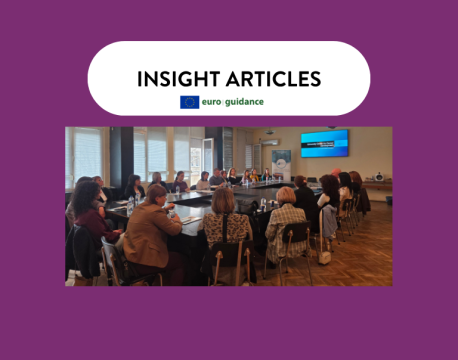
How can career guidance truly support people with fewer opportunities? This question brought together professionals from Bulgaria and North Macedonia in Plovdiv for the international seminar “Career Guidance for People with Fewer Opportunities – Sharing Good Practices”, organised by the Euroguidance networks of both countries.
Over two days, the discussion went far beyond policy and theory. It focused on one shared goal: How to make career guidance and education systems genuinely accessible for every learner?
What does inclusion really mean?
The seminar opened with a broader reflection on inclusion in education. Participants agreed that inclusion is not limited to supporting learners with disabilities or learning difficulties. Instead, it refers to creating a system where every student can participate fully, regardless of background, personal characteristics or life circumstances.
To make this vision practical, presenters highlighted concrete accessibility principles that every career professional can implement: clear language, readable formats, appropriate font size and well-structured learning materials. Small adjustments, they noted, can make a significant difference in ensuring equal access.
How innovation is reshaping inclusion
One of the most engaging parts of the seminar focused on digital innovation and artificial intelligence in education and career support.
The AERA project presented a concrete example of how AI can support inclusive learning in practice. The project developed a digital platform that helps teachers design personalised learning pathways and provides homework support for students with disabilities and learning difficulties. For example, educators can use the platform to adapt learning tasks to individual needs and monitor progress more effectively, while students receive structured and accessible support tools. The project also includes a training programme for teachers and guidance on the safe and effective use of AI in education.
The BE AWARE project demonstrated how inclusion extends into the labour market. It brings together social employment professionals and employers to improve hiring practices for persons with disabilities. One of its key activities is the World Café method, where employers, professionals and people with disabilities jointly discuss real barriers in recruitment and co-create practical solutions. This direct exchange helps translate inclusion principles into workplace reality.
The BRIDGE project added another important dimension, focusing on informal caregivers. It offers a digital platform with self-help learning tools, assessment instruments and culturally adapted guidance materials to support those caring for persons with disabilities in their daily lives.
Together, these initiatives showed how digital tools, when combined with cooperation between sectors, can significantly expand opportunities for inclusion.
A shared commitment to the future
The seminar concluded with a clear message: inclusive career guidance requires long-term cooperation between education systems, public institutions, employers and civil society.
The event strengthened dialogue between Bulgaria and North Macedonia and created a foundation for future joint initiatives focused on inclusion, employability and equal access to opportunities.
More information
More information about the projects presented during the seminar can be found here:
Author of the article: Krasimira Dimitrova, Euroguidance Bulgaria
Photo: Euroguidance Bulgaria